Propaze
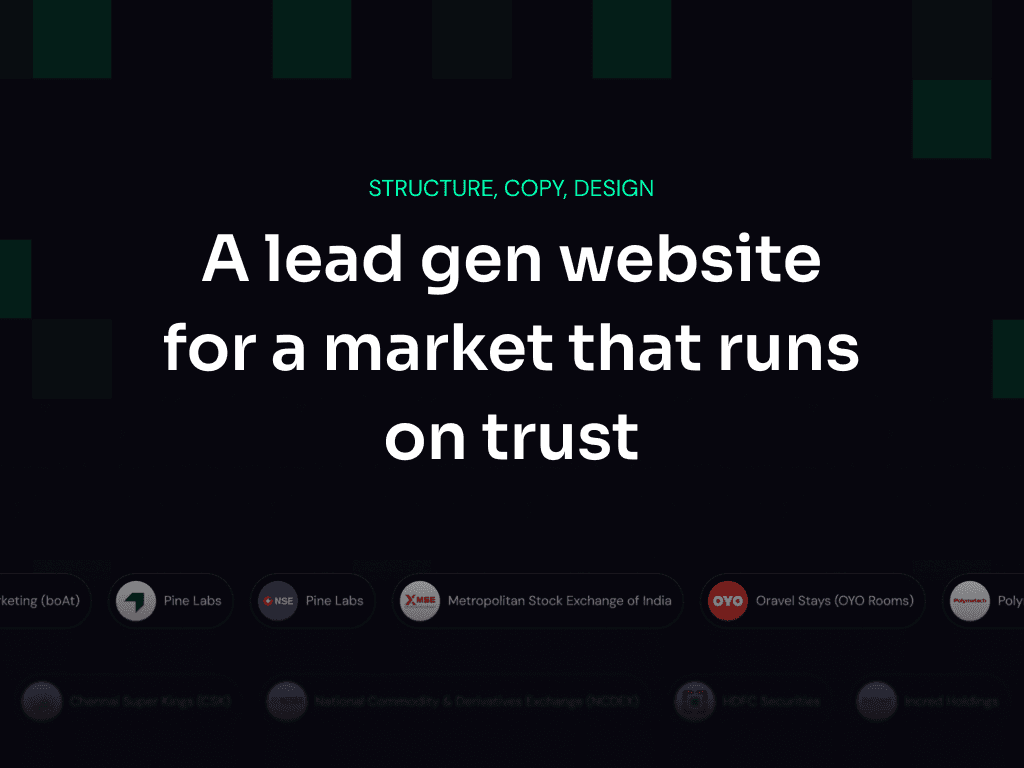
Propaze is a fintech platform for trading unlisted shares, connecting verified institutional buyers with individuals looking to liquidate private equity holdings. The brief was simple on the surface: build a website. What it actually meant was figuring out what the site should say, how it should be structured, and what a user needs to feel before they hand over their contact details in a high-trust financial context.
Year
2026
Scope
Lead-Gen Website
Client
Precize
Duration
2 Weeks
Where it started
No existing site, no content, no structure. The client knew what they did but hadn't defined how to communicate it. I came in and owned the full scope, information architecture, copy direction, visual design, and dev handoff, in 3 weeks.
The first real question wasn't visual. It was: what does someone need to believe before they fill in a lead form on a private equity platform?
Trust. Compliance. Credibility. In that order.
That question drove the entire page structure.
The hardest call — structure without pressure
Lead gen sites have a tendency to push too hard. CTAs everywhere, urgency language, repeated form prompts. That approach falls apart completely for a financial audience. An institutional buyer or a person looking to liquidate private shares isn't going to act on pressure, they'll leave.
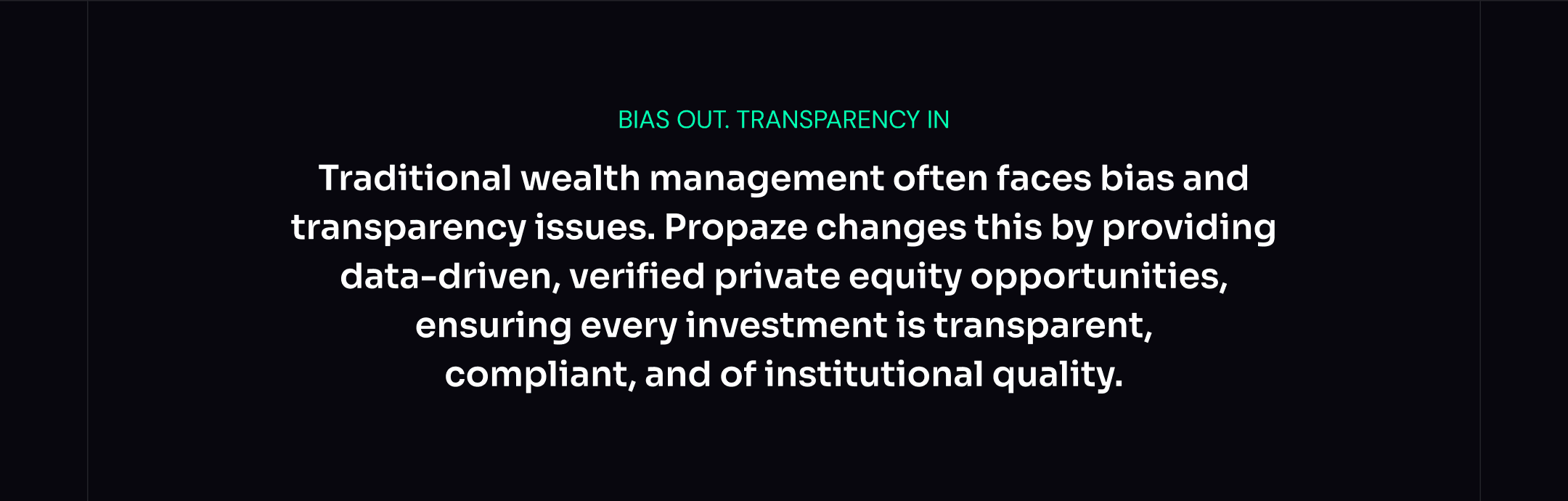
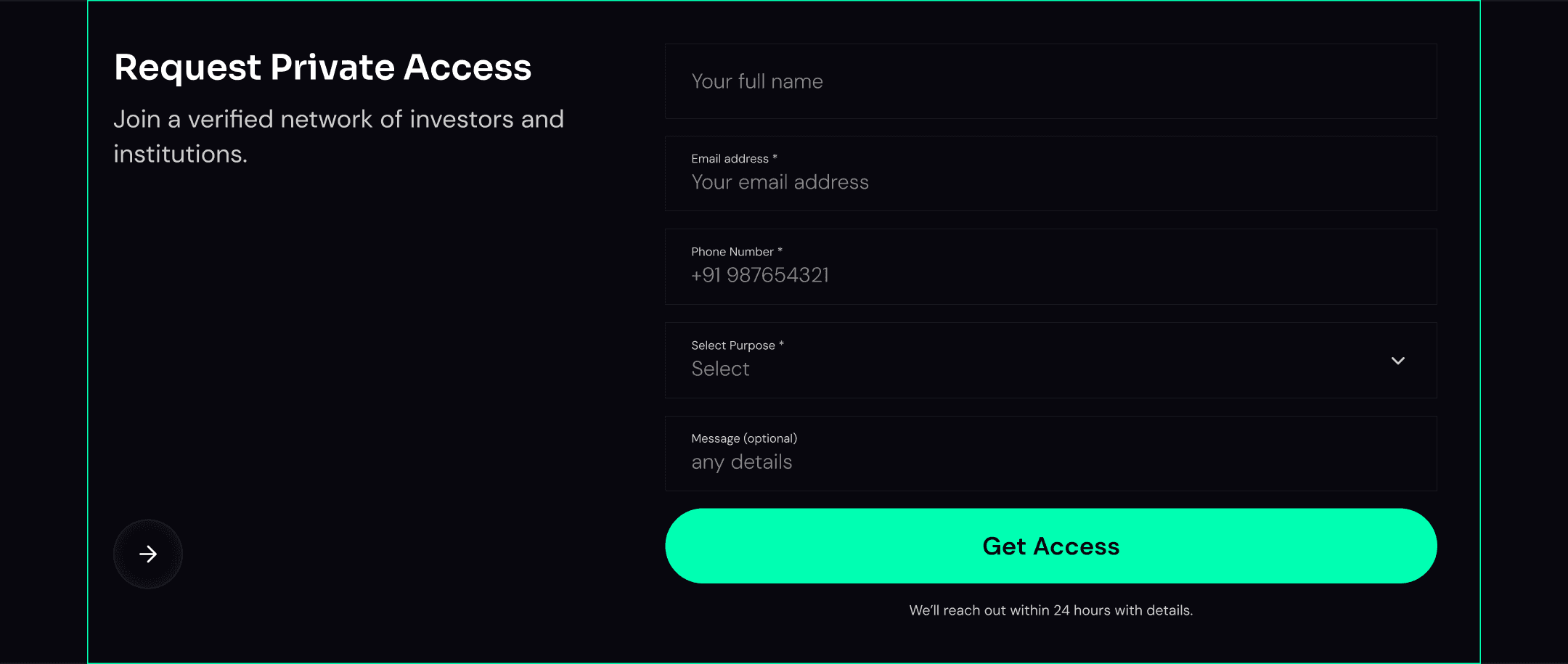
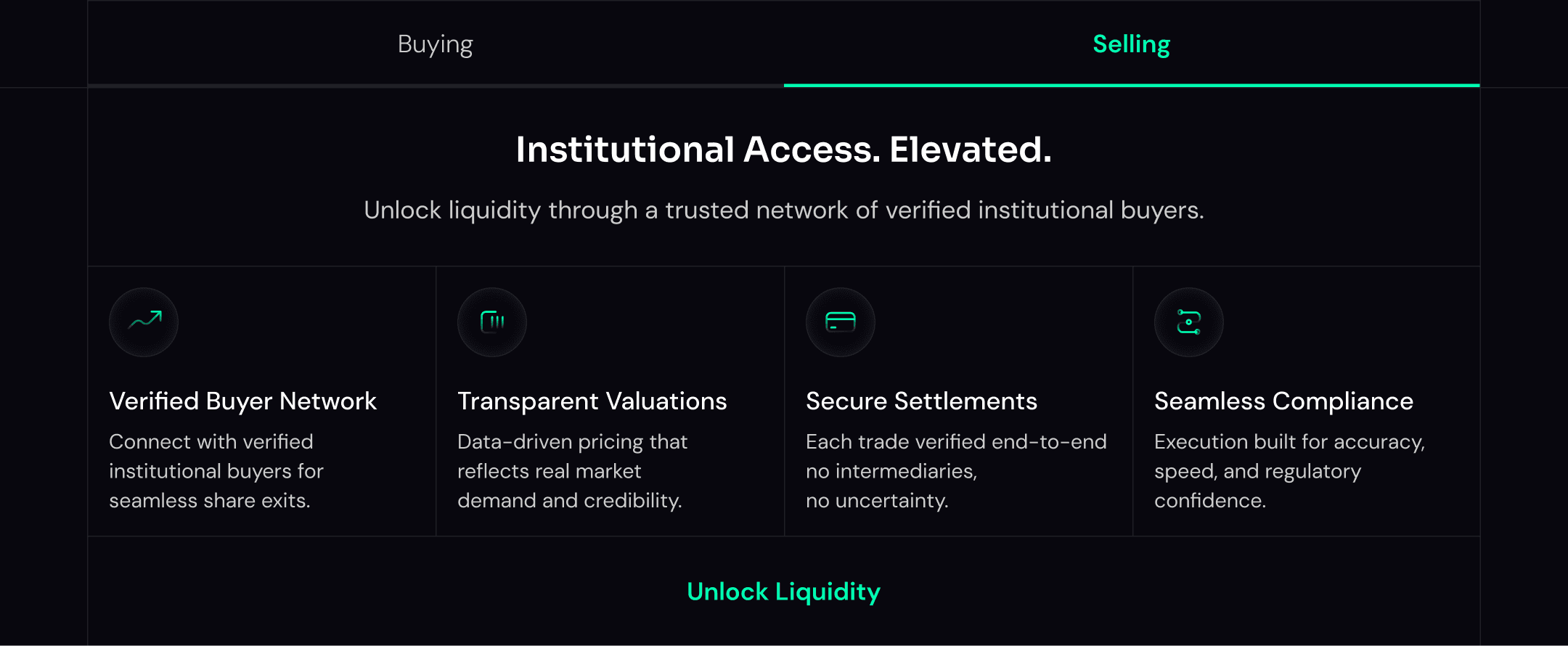
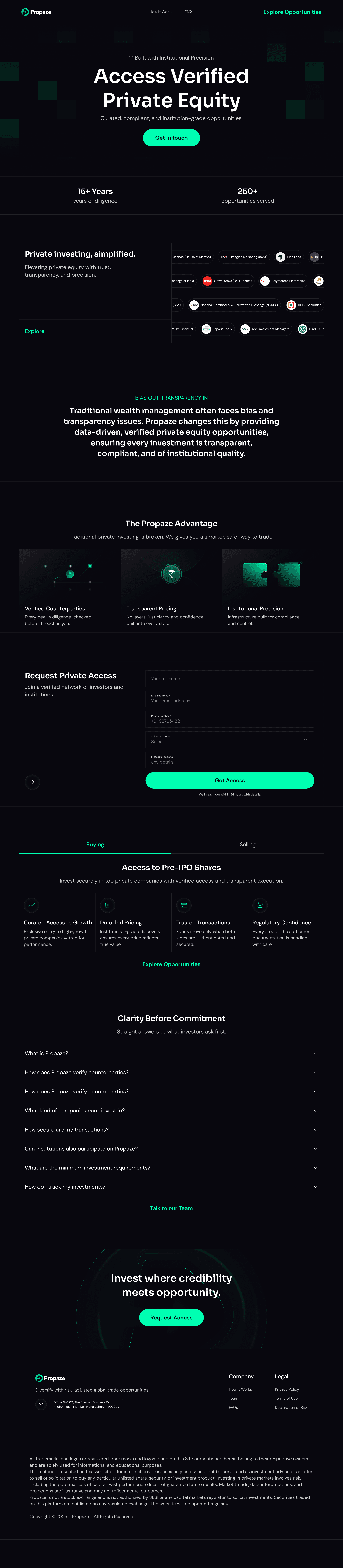
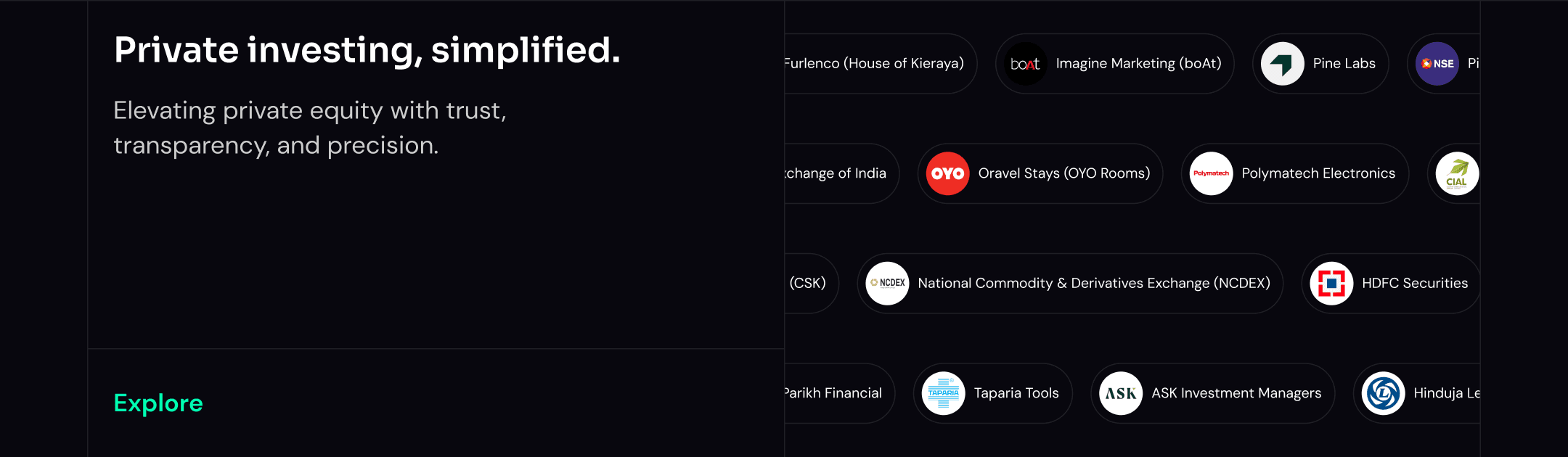
The structure I landed on builds belief before it ever asks for anything. The page opens with a clear positioning statement, moves into what makes Propaze different from traditional wealth management, establishes credibility through the platform's advantages, and only then surfaces the lead form, framed as requesting access, not signing up.
That framing was a deliberate copy decision. "Request Private Access" signals exclusivity and control. The user feels like they're choosing to engage, not being pushed into a funnel.
Using AI in the right places
The client had no content brief and no reference sites. I used AI to accelerate the research and content structuring phase, mapping what institutional fintech platforms typically communicate, what trust signals matter in this category, and what the information hierarchy should look like for a dual audience of buyers and sellers.
AI got me to a strong first draft of the content skeleton quickly. The actual copy, visual decisions, and design system were built from there, not from the AI output directly.
The visual direction
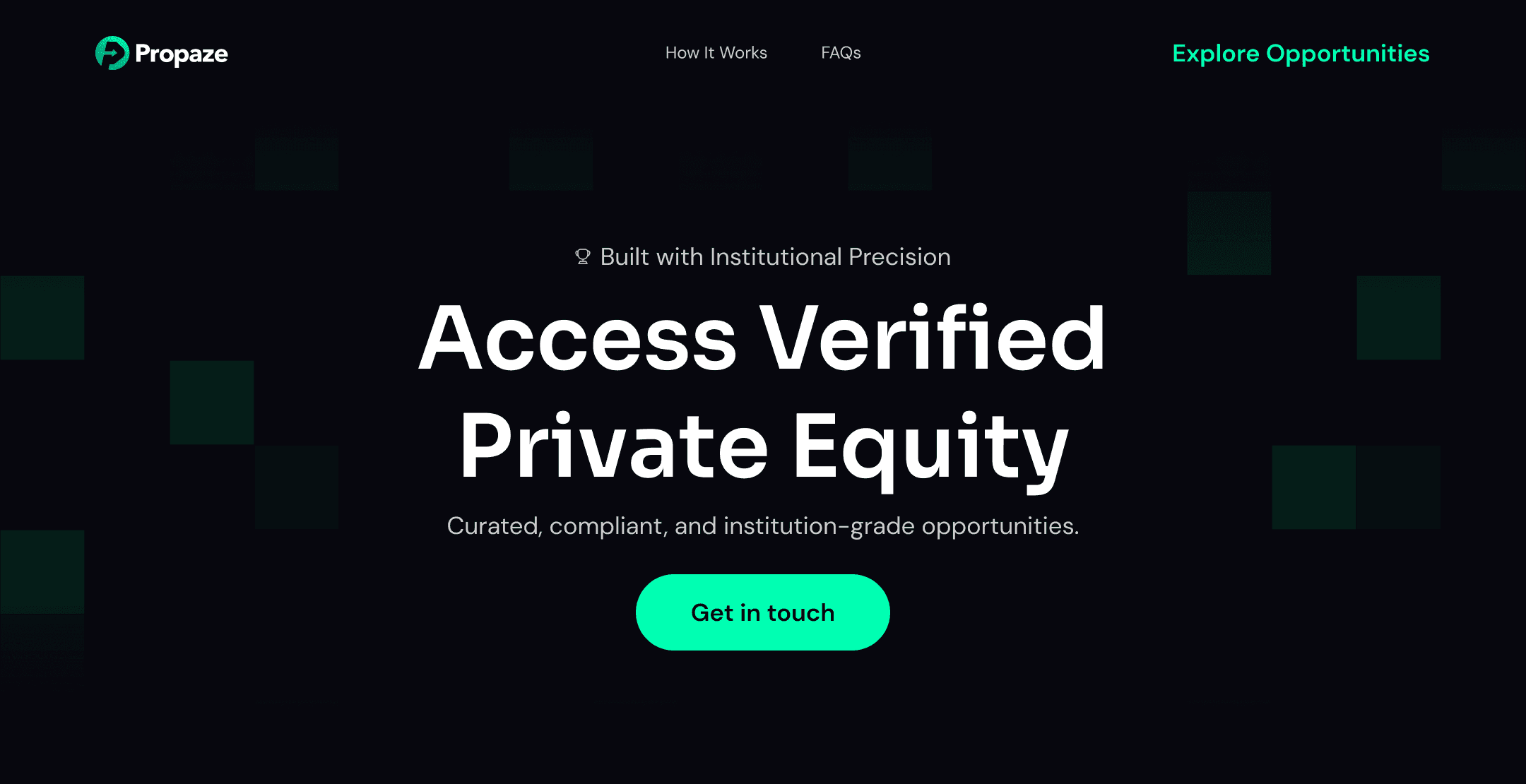
A platform positioning itself around institutional precision and transparency can't look like a startup landing page. The design needed to feel premium and compliance-forward without being cold or inaccessible. Clean layouts, restrained typography, financial credibility signals built into every section.
What shipped
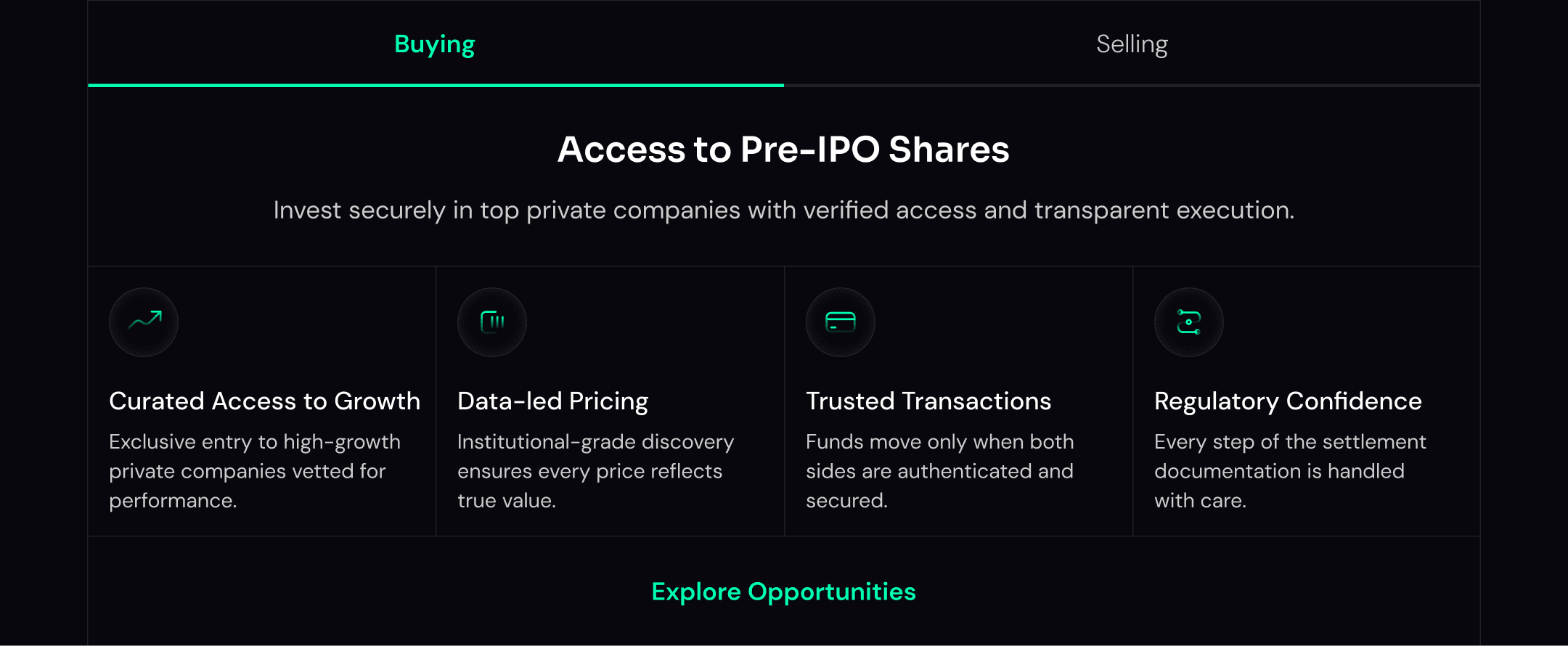
A complete lead gen website, structure, copy, visual design, and dev-ready handoff, in 3 weeks solo. The site serves both buyers and sellers through one coherent flow without the page feeling split or unfocused.
What I'd do differently: A round of user testing with someone from the actual target audience before finalising the form structure. Building and validating simultaneously is faster but leaves uncertainty about whether the lead form placement and framing is as effective as it could be.